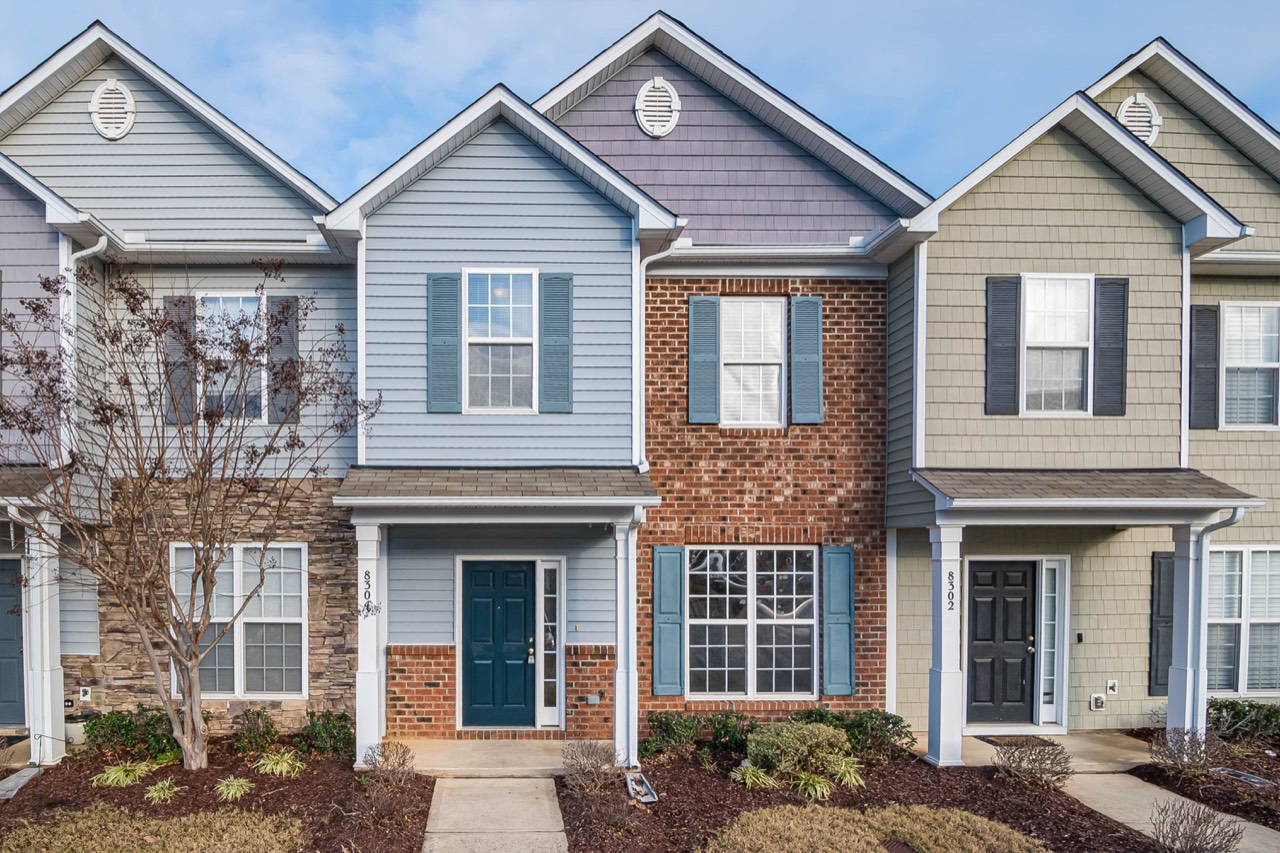
Community exterior projects succeed when the board, manager, contractor, and residents understand the plan before work begins. That is especially true for multi-building roofing, siding, deck, gutter, and carpentry scopes.
Unlike a single-home project, an HOA or condominium project has more stakeholders. The best results come from clear documentation, resident communication, and a schedule that respects access needs, parking, building sequencing, and cleanup.
Start With A Clear Scope
The first step is identifying whether the project is a focused repair, a phased replacement, or a larger capital improvement. Boards should understand which buildings are involved, what materials are being discussed, and what problems the project is meant to solve.
- List the affected buildings, units, or common areas.
- Document visible issues with photos and notes.
- Separate urgent work from work that can be phased.
- Clarify whether approvals, permits, or engineering review may be needed.
Build A Communication Plan
Residents do not need every construction detail, but they do need clear expectations. Notice timing, access restrictions, work hours, parking changes, and cleanup routines should be communicated early and repeated when the project starts.
What Residents Usually Need To Know
- Which buildings or areas are scheduled first.
- How long each phase is expected to take.
- Where crews, equipment, dumpsters, or materials will be located.
- Who to contact with access questions or concerns.
Plan For Phasing And Access
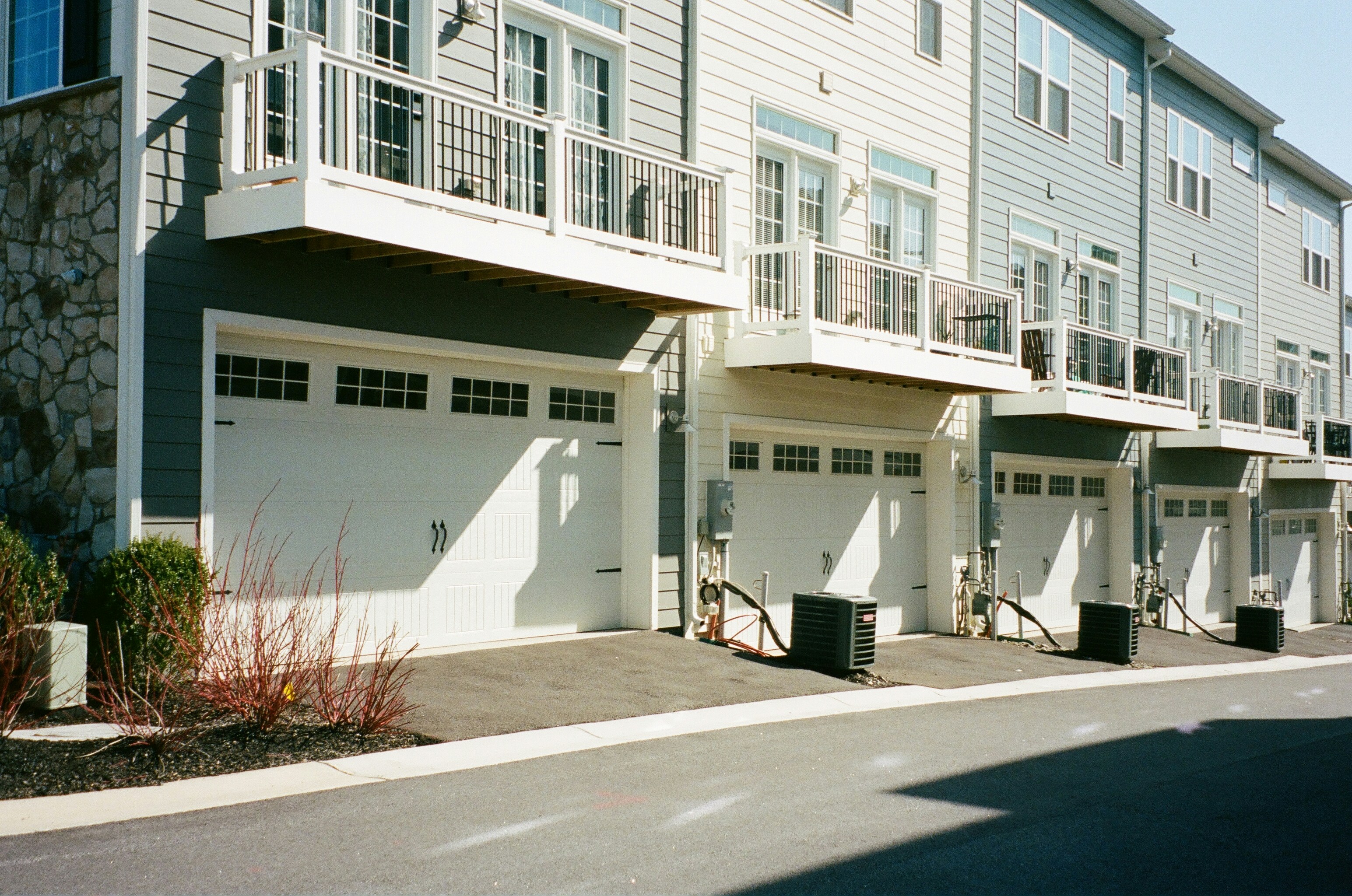
Community projects often need sequencing. That may mean moving from one building row to another, coordinating deck or balcony access, protecting landscaping, or keeping emergency routes and walkways clear.
Fox Chase helps HOA and condominium clients think through those details so the work can move efficiently while keeping residents informed.
Use The Estimate Conversation Wisely
When you request an estimate, bring the role of the contact person, the service categories being considered, and any photos or prior reports. That context helps Fox Chase understand whether the next step should be a site visit, a phased proposal, or a more detailed planning conversation.