Siding is one of the most visible parts of a property, but it also plays a practical role in protecting the structure below. When siding starts to fail, the right timing matters.
Replacement is worth discussing when siding no longer looks consistent, when panels are damaged in multiple places, or when water may be getting behind the exterior envelope.
Common Signs Siding Is Aging
Some siding issues are cosmetic, but others can point to deeper concerns. A careful look around windows, doors, corners, and trim can reveal whether the siding is simply weathered or starting to fail.
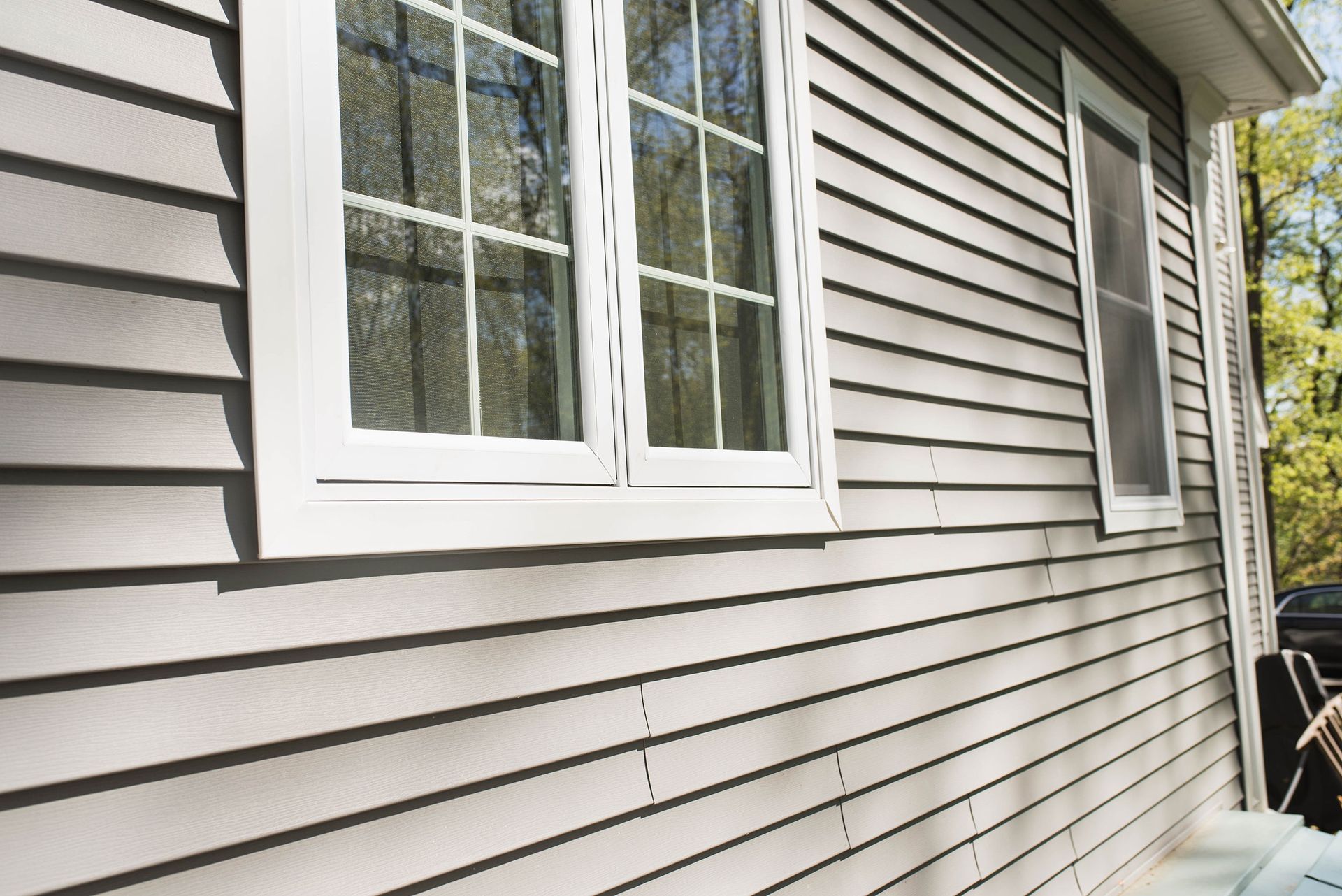
- Panels are cracked, warped, loose, or pulling away.
- Paint or color has faded unevenly across the property.
- Caulk lines around windows and penetrations are failing.
- Trim boards show rot, swelling, or soft spots.
- Interior walls show moisture marks near exterior walls or windows.
Why Timing Matters
Waiting too long can allow moisture to reach sheathing, trim, or wall assemblies. Replacing siding at the right time can protect the property while improving the visual consistency of the home or community.
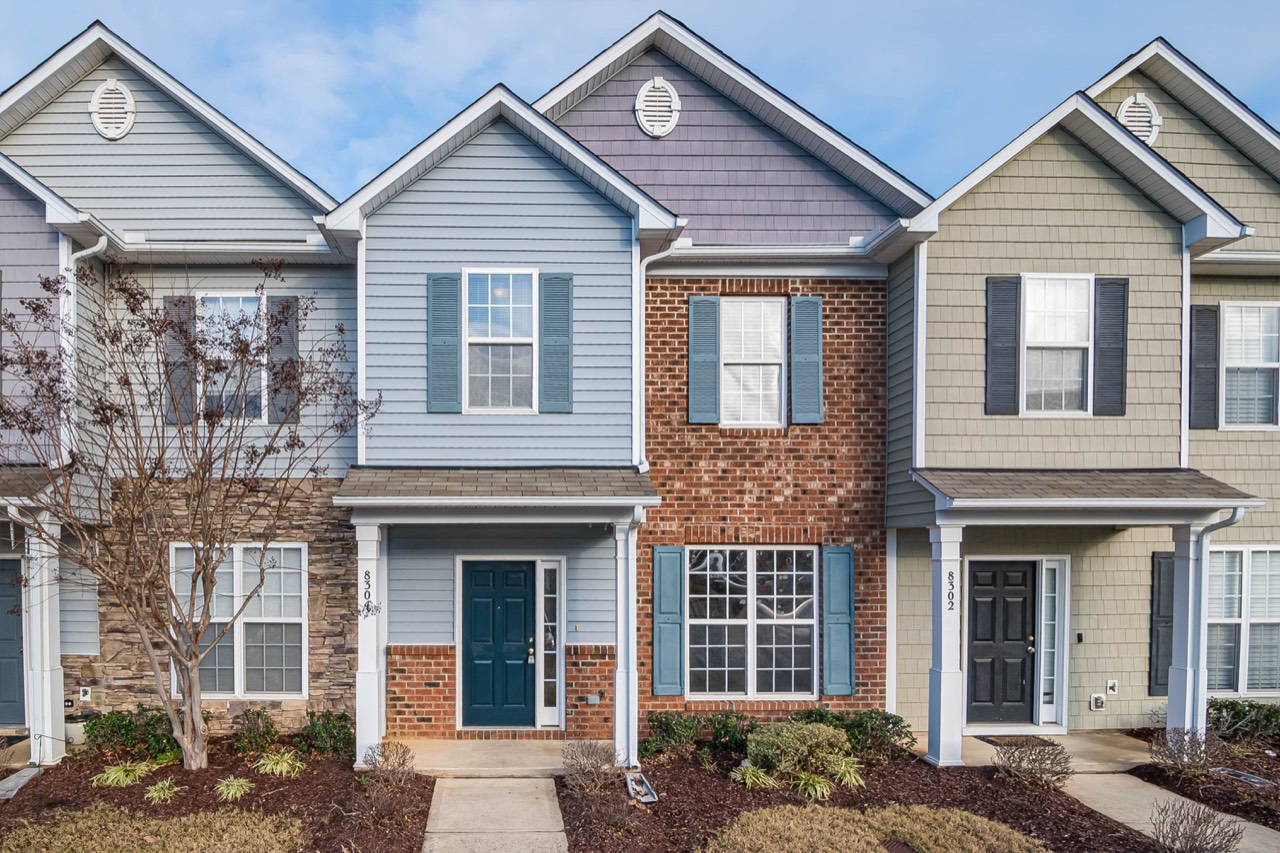
For associations, replacement timing can also help avoid piecemeal repairs that leave a community looking patched together.
Questions To Ask Before You Start
- Is the issue isolated or visible across multiple buildings or elevations?
- Are windows, trim, and gutters also part of the conversation?
- Will material color or style need board or architectural approval?
- Does the project need to be phased for budget or resident access?
How Fox Chase Helps
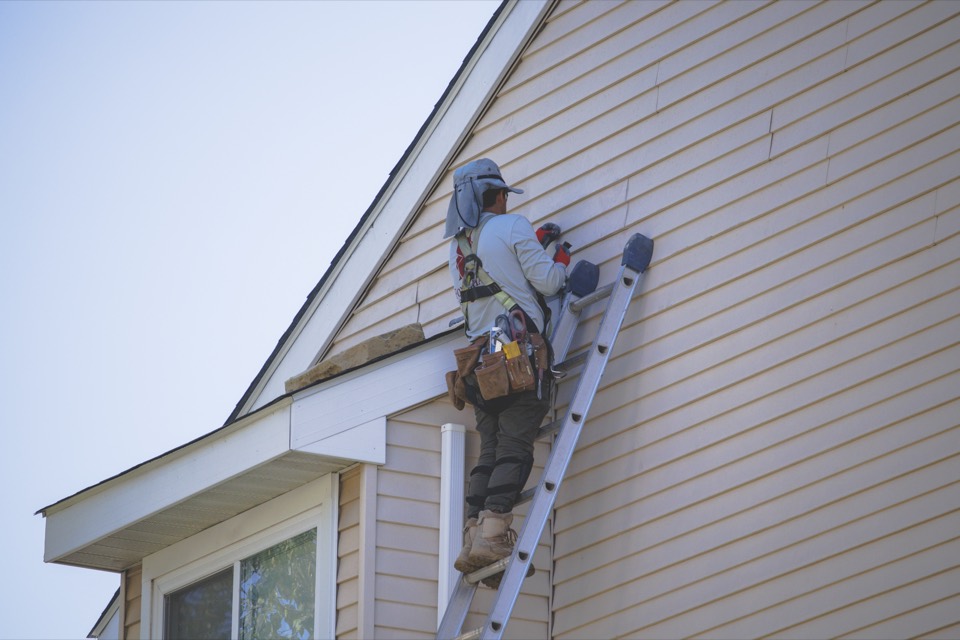
Fox Chase helps clients look at siding as part of the full exterior. That includes trim, water management, rooflines, windows, and the sequence of work so the finished project looks intentional and protects the property.