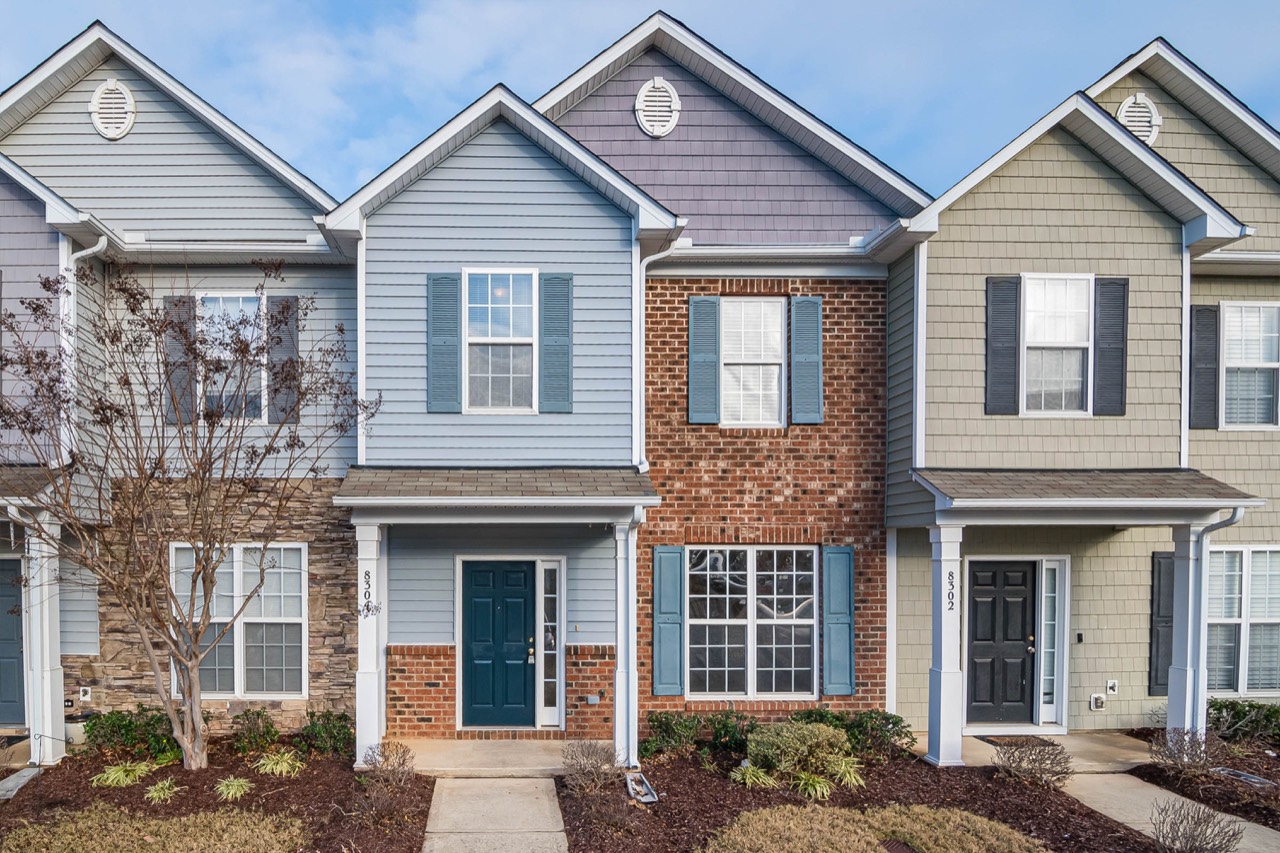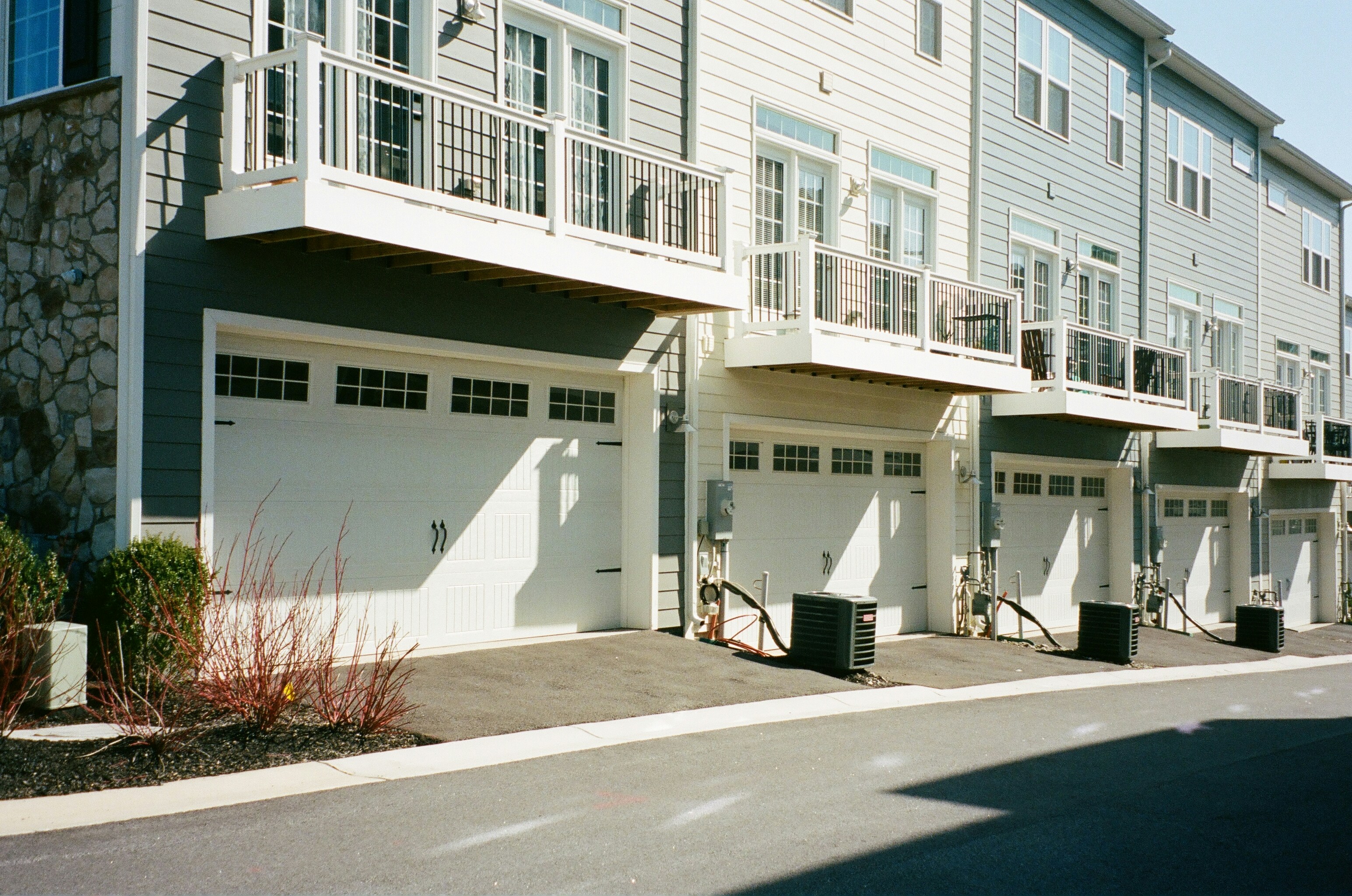
Introduction: Why HOA Siding Replacement is Critical for NJ Communities
Siding plays a crucial role in protecting buildings from weather and moisture while enhancing curb appeal. For HOA communities in New Jersey, timely siding replacement is essential to prevent structural damage, maintain property values, and meet community standards. Boards and property managers face unique challenges coordinating large-scale exterior projects that affect multiple residents and buildings.
Common Signs and Reasons for HOA Siding Replacement
Recognizing the signs that siding needs replacement helps communities plan proactively. Common indicators include:
- Visible cracks, warping, or rotting of siding panels
- Persistent moisture intrusion or mold growth
- Fading or peeling paint that cannot be restored
- Increased energy costs due to poor insulation
- Damage from storms or pests
Siding replacement may also be prompted by outdated materials that no longer meet current building codes or aesthetic goals.
Key Considerations in Planning an HOA Siding Replacement Project
Effective planning sets the foundation for a smooth siding replacement project. Key considerations include:
- Assessment and Inspection: Engage qualified professionals to evaluate siding condition and underlying structures.
- Budgeting: Develop a realistic budget that accounts for materials, labor, permits, and contingencies.
- Scope Definition: Clearly define the extent of siding replacement, including areas, materials, and finishes.
- Scheduling: Plan work phases to minimize disruption, considering weather and community events.
- Resident Impact: Anticipate noise, dust, and access restrictions, preparing communication plans accordingly.
How to Select a Qualified HOA Siding Contractor in New Jersey
Choosing the right siding contractor is critical for quality and compliance. Boards should look for contractors who:
- Are licensed, insured, and familiar with New Jersey building codes
- Have experience with HOA and condominium projects
- Provide detailed, board-friendly estimates and scopes of work
- Communicate clearly and offer bilingual services if needed
- Hold recognized credentials such as GAF Master Elite or CAI Elite membership
Request references and review past project galleries to assess workmanship and reliability.
Project Phasing and Resident Communication Strategies
Large siding projects often require phased work to maintain community function. Effective strategies include:
- Breaking the project into manageable sections or buildings
- Scheduling work during off-peak seasons or times
- Providing residents with advance notices about timelines and access needs
- Establishing a single point of contact for questions and updates
- Documenting all communications for transparency and accountability
Clear communication helps maintain trust and reduces inconvenience during the project.
Integrating Siding Replacement with Other Exterior Community Projects
Siding replacement often coincides with other exterior upgrades like roofing, decks, gutters, or drainage improvements. Coordinating these projects can:
- Reduce overall disruption by consolidating work phases
- Ensure compatibility of materials and finishes
- Optimize budgeting and contractor scheduling
Boards should work with contractors who understand multi-trade coordination and can provide comprehensive project management.
Ensuring Quality, Compliance, and Long-Term Durability in HOA Siding
To protect the community’s investment, focus on:
- Using durable, weather-resistant materials suited for New Jersey’s climate
- Ensuring proper installation techniques to prevent moisture infiltration
- Meeting all local building codes and HOA architectural guidelines
- Planning for ongoing maintenance and warranty coverage
Professional oversight and thorough inspections during and after installation are essential.
Conclusion: Practical Next Steps for HOA Boards and Property Managers
HOA siding replacement in New Jersey requires careful planning, trusted contractor partnerships, and clear communication. Boards and property managers should start with a thorough assessment and engage experienced contractors to develop a transparent project plan. Prioritizing phased work and resident communication will help ensure a smooth process and lasting results. Taking these practical steps empowers community leaders to maintain safe, attractive, and compliant properties.
For communities seeking expert guidance on siding and related exterior projects, consulting with a qualified contractor experienced in HOA work can provide valuable insights and support.